
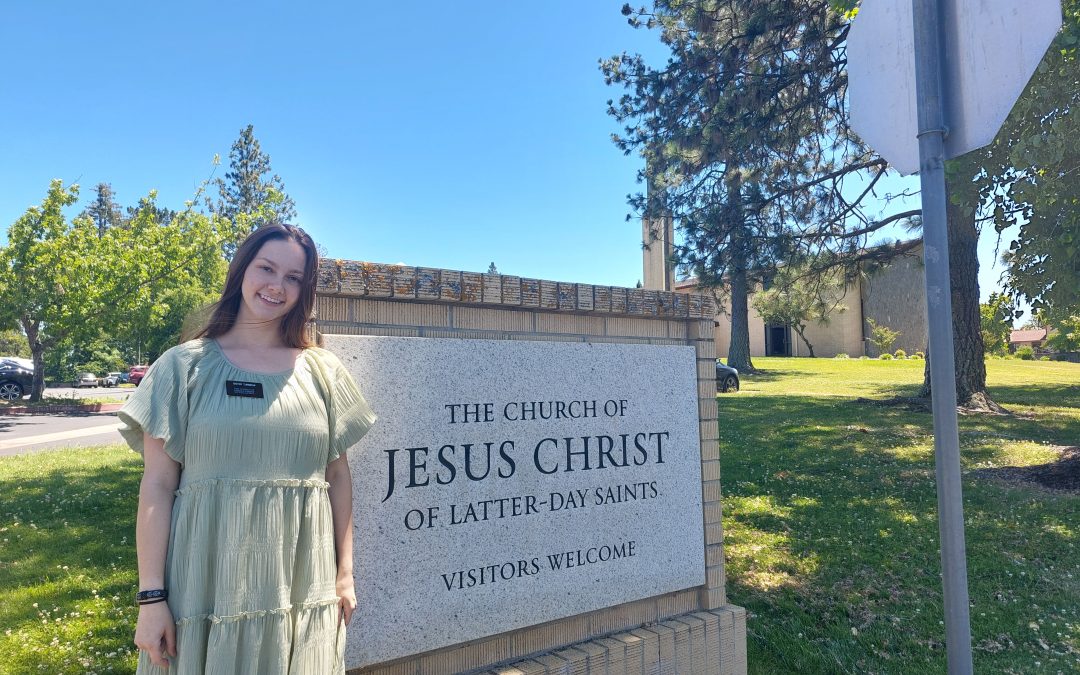
An LDS Missionary’s schedule takes the concept of “every waking hour” seriously.
When you choose to serve a mission (great choice, by the way), you truly learn to devote your life to the Lord. You give up the cares and pleasures of the world, and you focus entirely on gathering Israel. The schedule you follow is a reflection of that inward commitment.
It will test your discipline, work ethic, and energy levels. And, when it’s over, you’ll look back on it fondly.
Here is an outline of the schedule that you can expect when you start your mission.
Schedules May Vary
It’s possible for different missions, especially outside of the United States, to have slightly different schedules. I know people who woke up an hour later and went to bed an hour later. I also know people who had a combined lunch and dinner hour. Still, the basic components of a missionary schedule are mostly the same.
Your schedule will also vary from day to day, week to week, and area to area. You will have 30 minutes each day to plan your day, and it’s your responsibility to fill it with productive activities that will meet your goals. Some areas will be busier than others, but the hours that you’re expected to “work”, however that may look, are the same.
Hourly Outline
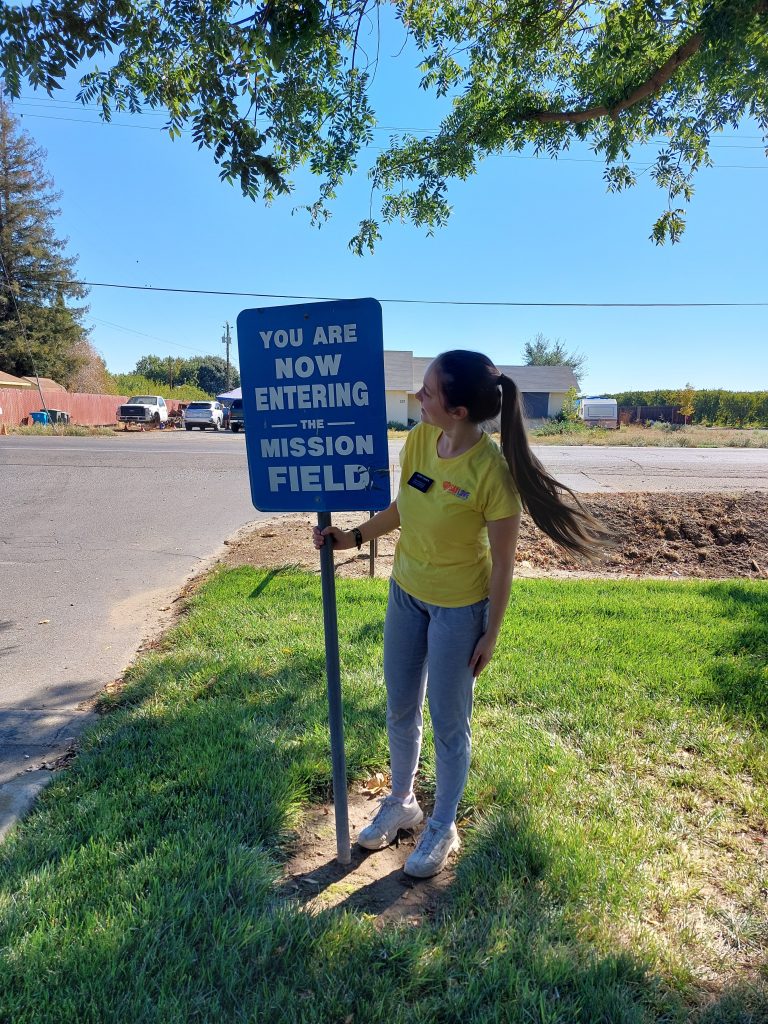
6:30: Wake up. Morning personal prayers.
6:45-7:15: Exercise. You can do a workout from home, go running with your companion, or head to a gym if there’s an approved one near you. My companions and I often went to a nearby park to work out, so I could run circles around them while they did a different workout.
7:15-8:30: Get ready. Shower, eat breakfast, and get ready for the day.
8:30-9:00: Daily Planning. You’ll use the “Daily Planning” steps in Preach My Gospel to organize your day. This includes:
- Pray and seek inspiration.
- Review progress toward your weekly key indicator goals.
- Review your plans to help people you are teaching. Prioritize your efforts to help those who are making the most progress. Adjust daily goals and plans as needed.
- Commit to actions you will take that day to find new people to teach and to help people you are teaching.
- Plan how you will work with local leaders and members.
- Conclude with prayer.
9:00-10:00: Personal Study. This is where you get to sit there with the scriptures, Preach My Gospel, and Gospel Library and study for an hour. You’ll never get this kind of time again, so really focus on deepening your understanding of and conversion to the gospel. This is also a great time to ponder the needs of the friends you’re teaching and study what will benefit them.
10:00-10:30: Companionship study. You and your companion will share about your personal studies and study together for lessons, street and door contacting, any upcoming meetings, etc.
10:30-9:00: Proselyting. This is the big chunk of time that’s, more or less, up to your discretion. You’ll use this time to teach lessons, find new friends to teach, attend meetings, etc.
9:00-10:30: Bedtime. You get a good amount of “wind-down” time at the end of the day. In my mission, we called our district leader every night and talked about our day. You might also use this time to write in your journal, pray, or just relax. You should be in bed with the lights out by 10:30.
Meals: You’ll get an hour for lunch and an hour for dinner. Depending on your mission and/or area, you might have dinner at a member’s house every evening. You might return to your apartment for lunch or pack one to-go and eat while you’re out proselyting. I often used my lunch hour to eat a quick meal and take a nap.
Language study: If you’re speaking a foreign language, you’ll probably also schedule an hour in your day for language study.
An Insane Amount of Praying
One big adjustment to my new-missionary life as a trainee was the sheer quantity of times in the day that you pray. You pray when you wake up, before and after any studies, before meals, before leaving the house, before any lessons, before meetings, before finding people to teach, etc. You pray before doing literally anything. And sometimes after.
Other Predictable Schedule Items

There are also several predictable weekly activities that you’ll fit into your schedule:
- Weekly Planning: Once a week, you’ll sit down with your companion and plan out the details of your week. This makes Daily Planning a lot easier. If you can believe it, this usually took us an average of 3 hours. Like Daily Planning, there are steps in Preach My Gospel to follow.
- Preparation Day: My biggest disappointment in becoming a missionary was learning that P Day wasn’t actually an entire day. The hours can vary from mission to mission, but in mine, it was from 8-6. You’re still supposed to Daily Plan in the morning, and proselyte from 6-9. Still, P Day is your opportunity to clean, shop, talk to your family and friends, do fun activities, and, most important to me, nap.
- Church: Obviously, you’ll go to church every Sunday. You might even go to several sessions of church, if you’re assigned to multiple wards. You might also go to Ward Council, if your ward invites you to attend. Sundays are also a good day to meet with your Ward Mission Leader(s).
- District Council: You’ll probably have a weekly District Council meeting. You’ll get together with your District to report on your weekly goals and have a lesson prepared by your District Leader.
- Zone Council: At least once per transfer, you’ll have a meeting with your whole zone. It’s pretty much the same thing as District Council, just larger-scale.
- Zone Conference: Once per transfer, you’ll attend a meeting with all of the missionaries in the mission (or, possibly fewer, depending on geography) and your mission president. Mine were very long, at least 5 hours, and the whole thing is full of trainings about missionary work and logistical items (cars, cleaning, rules, etc.). My Mission President always had us prepare for these by giving us a talk topic and randomly selecting a few people, on the spot, to give their talks.
- Mission Leadership Conference: If you are in a missionary leadership position (Zone Leader, Sister Training Leader, District Leader, or Assistant to the President), you will attend a meeting once per transfer where you receive further training for being a leader.
- Mission President Interviews: You will have a one-on-one interview with your Mission President once per transfer. These interviews will vary in time and subject, but they are an opportunity for you to share what is happening in your life and missionary service.
Other Variety

There are a few more things that may add variety to your schedule:
- Mission initiatives: Sometimes, Mission Presidents decide to implement new policies that could change your schedule. For example, towards the end of my mission, to encourage everyone to wake up on time, we had required zone facetimes at 6:35 a.m.
- Training: When you’re in training, you’ll probably have a lot more meetings to attend. The MTC assigns you a “mentor” and has intermittent calls with you and other trainees in your mission.
- Car maintenance: If your mission has cars, you’ll have to track the miles that you drove when you come home every day. You’ll also need to maintain your car by getting gas, sometimes switching cars with other companionships during transfers, or driving your car somewhere that you’re instructed to take it to.
- Social things: This varies a lot from mission to mission, but my mission provided quite a few social opportunities amongst missionaries. We usually got together at a church building and played games on P Days. We also ate lunch together as zones after District and Zone Council. Occasionally, we lived in the same apartment complex as other missionaries.
Veteran Advice
Serving a mission is one of the hardest and best things you will ever do. It will open doors and memories for you for the rest of your life. The schedule can be monotonous and tiresome at times, but know that you are doing the Lord’s work and He will help you.
A few simple pieces of advice to make the schedule more manageable:
- Listen to fun, uplifting music (within the bounds of what’s allowed in your mission) whenever possible.
- Eat a healthy diet with lots of vegetables. It will do wonders for your energy levels.
- Spend an extra 5 minutes of decompressing time in the bathroom, when you need it.
- Take 20-minute naps, when you’re really feeling sluggish.
- Pray for help. Always.
- Write down every memory so that you can look back at this time in your life forever! Check this out.